

A monthly bookkeeping engagement can cover four recurring jobs: recording and categorizing transactions, reconciling covered accounts, following up on questions or missing records, and delivering agreed financial reports. The service label leaves key details open: which accounts the provider handles, how often they reconcile them, which reports you receive, and what costs extra. Ask the provider to list the work, deliverables, and due dates in writing.
Define the scope before you compare packages
Before you compare monthly packages, confirm these details:
- Ask the bookkeeper to list the monthly tasks, including transaction review, reconciliation, and reporting.
- Confirm which accounts and platforms the bookkeeper will handle and which records you need to provide.
- Get the report names, delivery date, and any services outside the agreement in writing.
If two providers use the same service label, compare their answers line by line. Their written scope shows whether the work fits your records and needs.
1. Record and categorize the month’s activity
The provider records transactions in the agreed accounting system and assigns categories based on the written scope. Covered sources may include bank and credit-card accounts, loans, payment processors, or sales platforms.
A bank feed can import transactions. For an unclear charge, the provider may need business context and your existing accounting policy before choosing a category. Agree on how the provider will flag those items and what information you will supply. The provider should not guess at the business purpose or treat silence as approval.
2. Reconcile each covered account to its statement
A bank feed imports transactions. Reconciliation checks recorded activity against the statement for the same account and period. Ask who will investigate differences and how the provider will record unresolved items before closing the month.
IRS Publication 583 recommends that business owners reconcile checking accounts each month. It explains that charges or timing can create differences between the statement and books. Intuit’s QuickBooks reconciliation guide defines reconciliation as matching recorded transactions with the bank or card statement. Ask which accounts the provider reconciles, which statements they use, and how they resolve differences.
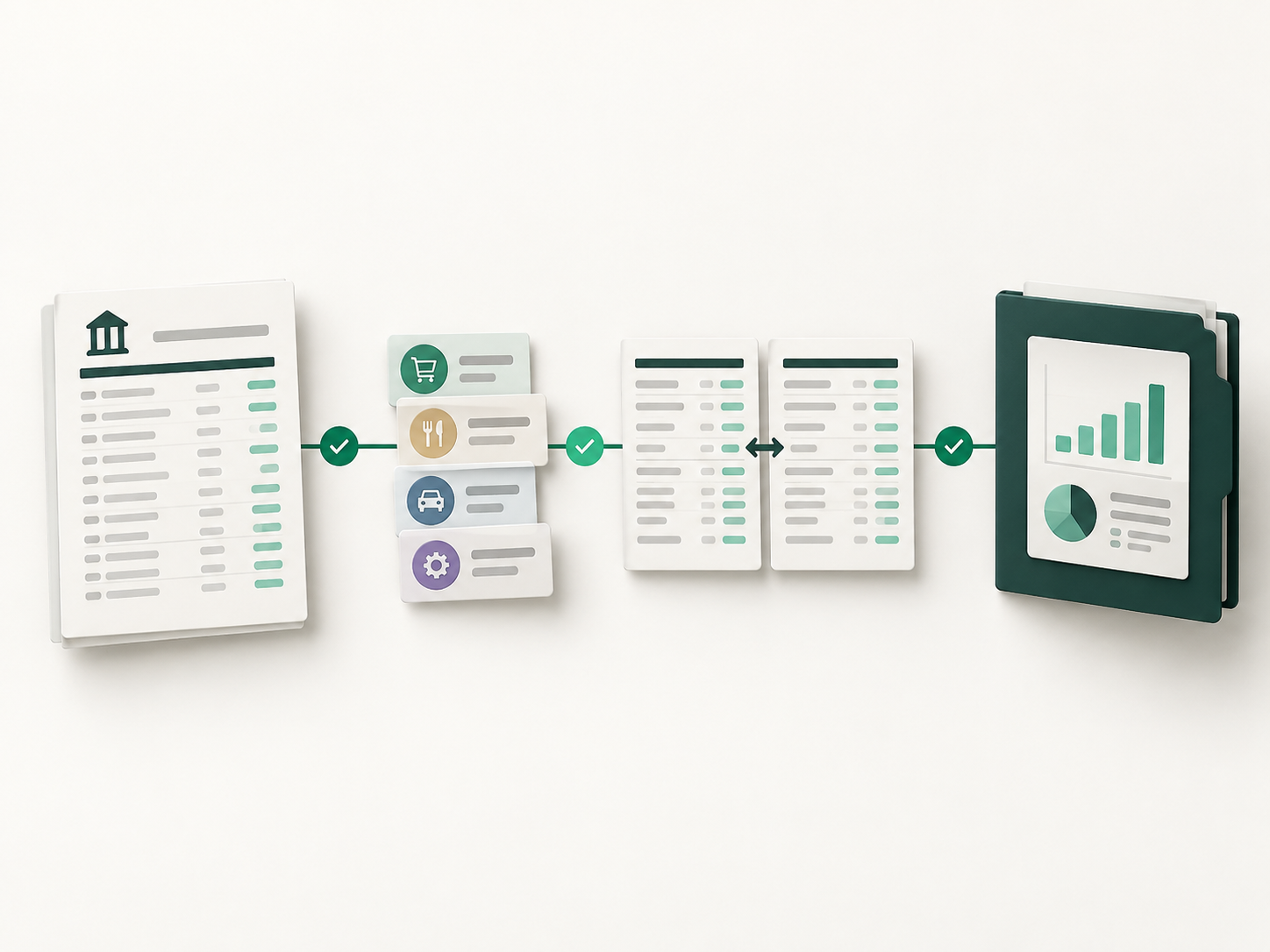
3. Follow up on open questions and missing information
During a month-end close, the bookkeeper may find transactions that need context, missing statements, or records that do not match. Agree how the provider will ask you for details. Decide whether unanswered questions delay the report or appear as open items. Write down who follows up on each item before the provider closes the month.
Agree on the monthly handoff
Both you and the bookkeeper contribute to the monthly close. The agreement should name the statements or payment-platform reports you need to provide, who answers transaction questions, and how the team adds new accounts or tools. Pick a date to send records. Agree how late or missing inputs affect the reporting date. Those details help you identify what is delaying delivery and who needs to act next.
4. Deliver the agreed reports
Ask the provider to name the reports and set delivery dates. For example, Intuit’s QuickBooks Live guide lists a Profit and Loss statement and balance sheet in its full-service bookkeeping tier. Providers may charge extra for a cash-flow statement, receivables or payables aging, or management reporting. Confirm which reports your agreement covers.
The IRS says good records help owners monitor a business and prepare financial statements. It defines an income statement as income and expenses over a period and a balance sheet as assets, liabilities, and equity on a given date. Use those descriptions to ask what each report will show. Then confirm which reports your provider includes.
Choose a target delivery date. Agree what could delay it, such as a late statement or an unanswered question. Ask whether the provider will discuss open items with you or send notes with the reports.
Confirm which services fall outside the monthly scope
Ask whether the monthly fee covers these services or the provider charges an additional fee:
- Catch-up work or cleanup for prior periods.
- Payroll processing, payroll-tax filings, or employee and contractor forms.
- Income-tax or sales-tax return preparation and filing.
- Sending invoices, paying bills, managing inventory, or handling receivables and payables.
- Cash-flow planning, forecasting, or other advisory work.
Providers set different boundaries. For example, Intuit’s QuickBooks Live service guide lists monthly categorization and reconciliation, then names payroll, tax filing, invoice and bill handling, inventory, and accounts payable or receivable as outside that service’s scope. Check your own agreement for the same tasks.
The Accounts Hub provides monthly transaction categorization, bank and credit-card reconciliation, catch-up bookkeeping and cleanup, accounts-payable and accounts-receivable support, and financial reporting. The written agreement names the accounts and periods covered, records you must provide, reports and delivery dates, and fees. Payroll, tax preparation and filing, bill payment, inventory work, and advisory services are outside monthly bookkeeping unless added to the agreement for a separate fee. See the Bookkeeping & Accounting service for details.
A monthly bookkeeping scope checklist
Use these questions to review a proposal or discuss a monthly service:
- List the bank, credit-card, loan, and payment-platform accounts the provider will handle.
- Confirm that the provider reconciles each covered account to its statement every month.
- Ask who will categorize transactions and follow up on unclear items.
- Name each report you will receive and its expected delivery date.
- Agree who follows up on missing records, late statements, or unanswered questions.
- List separate fees for payroll, tax filing, bill payment, inventory, receivables and payables, and historical cleanup.
- Ask how the price or workload changes when the account count or transaction volume increases.
What to prepare before you request a quote
For an initial quote, describe the software you use, the months that need work, the accounts or platforms involved, and the last period you believe is complete. Mention records or questions you know are missing.
Use the public quote form for an inquiry. Keep Social Security numbers, bank or card details, passwords, banking credentials, tax returns, payroll records, and sensitive files out of the form. Wait for a secure channel before sharing records.
A simple example of a written scope
Consider a small service business with a checking account, business credit card, and payment platform. The owner wants each source categorized and reconciled to its statement, plus a monthly Profit and Loss, balance sheet, and list of open questions. The agreement can name the covered accounts, reports, and delivery date. It can also say whether the monthly scope covers payroll, bill payment, invoice collection, or prior-period cleanup. The provider’s agreement and records determine the actual work.
Common questions
Does monthly bookkeeping include tax filing?
Providers set different boundaries for tax work. Ask who will prepare and file each return. The Accounts Hub lists tax preparation and filing as a separate service from bookkeeping on the Services page.
If a bank feed is connected, are the books reconciled?
A connected feed imports transactions into accounting software. Reconciliation compares those records with the statement for the same account and period, then identifies differences for follow-up.
Is catch-up or cleanup included in the monthly fee?
The Accounts Hub bookkeeping service provides catch-up and cleanup when those tasks are named in the agreement. The written scope identifies the months and accounts covered, the records required, and the fee. Catch-up work is not automatically included in the monthly bookkeeping fee.
Get a clear monthly scope
The Accounts Hub provides monthly transaction categorization, account reconciliation, catch-up and cleanup, accounts-payable and accounts-receivable support, and financial reporting to U.S. businesses. The written scope lists the covered accounts and periods, records you must provide, reports and delivery dates, and fees. Payroll, tax-return preparation and filing, bill payment, inventory work, and advisory services are outside monthly bookkeeping unless added for a separate fee. Use the online form to request a bookkeeping quote with a short description of your software, accounts, and needs. The team confirms the agreed scope, records, and fees before work starts.
About The Accounts Hub
The Accounts Hub provides remote bookkeeping and financial administration for U.S. businesses. Each engagement states the work and fee in writing. Meet The Accounts Hub
This article provides general education, not tax or legal advice for your situation. Your provider’s records and agreed scope determine what the engagement includes.
About the author: Jawairia Ayub Khan is The Accounts Hub’s founder, an Intuit QuickBooks Certified ProAdvisor (Levels 1 and 2), and Intuit Bookkeeping Certified.